


Primera combines central product management with local assortment flexibility.
Central assortment. Store and webshop. One product data model.
Primera is a Dutch cooperative retail chain of and for independent entrepreneurs, with more than 500 stores across the Netherlands.
Every Primera store carries the same core assortment, but each entrepreneur can add their own products to it. There is also an assortment that is sold online only. That calls for a product data environment in which central structure and local freedom exist side by side.
With ConnectingTheDots, Primera manages all product information from one uniform data model, in which every product is centrally assigned to one of the three assortment types. Supplier data, the different assortments and publication to stores and webshop come together in one product data process.
- 3 assortment types: core, local and webshop, in one PIM environment
- More than 500 stores: and the webshop from one product foundation
- XML, JSON and CSV: from suppliers, read in and mapped via import and onboarding
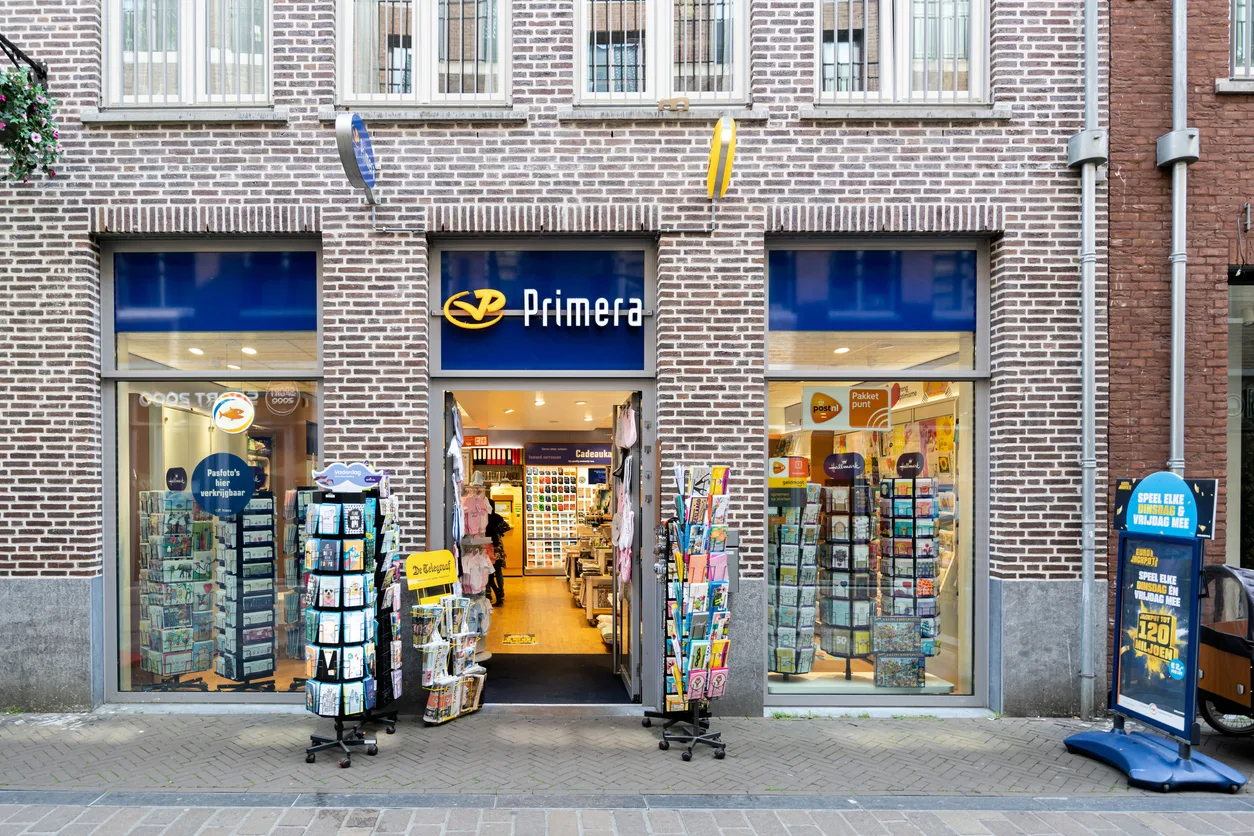
The challenge: one product structure for central and local.
Primera works with three types of assortment. The core assortment is available in all stores. There is also an assortment from which entrepreneurs choose products they want to sell in their store alongside the core assortment. And there is an assortment of products offered exclusively online.
Each assortment type has different fields, classifications, validation rules and workflows. Without a shared structure, product data quickly becomes fragmented. The challenge was therefore to enable local flexibility without letting go of the central product data standard.
One data model as a common foundation.
The entire product portfolio is managed in the PIM with one uniform data model and the associated classification in structure. Together, a product's classification and assortment type determine which product attributes and which content belong to it.
Supplier data structured on arrival.
Primera has a broad and diverse assortment, from gift cards and books to office supplies, snacks and tobacco products. Automatic onboarding of data from suppliers and distributors is therefore essential. Primera uses import and onboarding for this, with the supplier portal as the intake. Data files in XML, JSON and CSV are read in and mapped to the structure Primera needs.
Authorised users maintain the mappings per supplier and adjust them when source files change. A new or changed supplier feed therefore does not have to be processed entirely by hand again. New products and updates move from the same onboarding layer into the PIM. Read more about supplier data onboarding.
Good product data starts at the source.
Workflows and roles for every team.
Enriching and checking products runs through one configurable process, part of automate. Different employees and departments work on the same product information in clear steps. The workflow shows which step a product has reached, which enrichment is still needed, where a check is required and who is responsible for the next step.
Not every user needs the same permissions or functions. Access rights are therefore set per role, and single sign-on provides one central point of access. This way, teams such as the master data team and the e-commerce team each have their own responsibilities, workflows and authorisations within the same PIM environment.
Insight into completeness and product status.
With measure and improve, reports are set up around the completeness and status of products, for example per product group, brand, assortment type or sales channel. This lets Primera see in real time how complete the product data is for each channel, such as the stores and the webshop. Based on that, the teams align their work and priorities in a targeted way.
One product foundation for store and webshop.
Product data from the PIM is used both in the stores and online. In the stores, product information goes to the point-of-sale system, among others. The fully enriched product data, with images, specifications and retail prices, is used in the digital channels, such as the Primera webshop and the newsletters. Because all channels are fed from the same source, product information in store and online is consistent. That makes the difference especially when existing products change and new products are introduced.
The connection with the wider Primera ecosystem runs via Primera Connect. ConnectingTheDots provides the PIM APIs and endpoints for this, so product information is exchanged with connected systems and channels, such as the point-of-sale system and the webshop. The PIM is the central product data layer, and Primera Connect links it to the systems and channels where the information is used further.
The result
With ConnectingTheDots, Primera has one product data architecture in which central management, local assortment freedom and product data for stores and digital channels come together. One data model covers the core assortment, the local assortment and the webshop assortment. Supplier data comes in via import and onboarding, workflows handle enrichment and checks, roles and single sign-on handle access, and reports show completeness and status. Via Primera Connect, the same product data is available for the stores and online.
This way, Primera combines central control with the freedom to let the assortment differ per store and webshop. At the same time, the core assortment is available from Maastricht to Groningen, in more than 500 stores and online.

Want to talk about the Primera case?
Joris is happy to walk you through the approach and what it means for your situation.